Running the troubleshooter in Windows 11 is like having a built-in tech expert ready to lend a hand with your computer issues. It’s your go-to tool for diagnosing and fixing a variety of problems, from network connectivity issues to audio malfunctions. To run the troubleshooter, go into your settings, find the ‘Troubleshoot’ menu, and follow the prompts to select and run the appropriate troubleshooting tool for your specific issue. It’s straightforward, even for beginners, and can save you time and frustration.
How to Run Troubleshooter in Windows 11
Running the troubleshooter in Windows 11 can help fix common computer problems automatically. Follow these simple steps to utilize this handy feature.
Step 1: Open Settings
To begin, click on the Start menu and select ‘Settings’.
Opening the Settings menu is your first step to accessing the troubleshooter. You can also use the shortcut by pressing Windows + I on your keyboard. This will take you right to the main settings page, where you’ll find all the options you need.
Step 2: Navigate to Troubleshoot
Once in Settings, click on ‘System’, then select ‘Troubleshoot’.
You’ll find the Troubleshoot option listed under ‘System’, which houses various tools and settings related to your computer’s core functions. This section contains multiple troubleshooters for different issues, like network problems or audio issues.
Step 3: Choose the Troubleshooter
Select the specific troubleshooter you need from the options provided.
The Troubleshoot menu categorizes common problems, such as ‘Internet Connections’ or ‘Playing Audio’. Choose the one that matches your issue. Each troubleshooter is designed to guide you through a series of questions or checks to pinpoint the problem.
Step 4: Run the Troubleshooter
Click ‘Run the troubleshooter’ to start diagnosing your issue.
This step activates the tool, and it will start diagnosing the potential problems. It might take a few minutes, as it checks your system and suggests possible fixes. Follow the on-screen instructions to apply any suggested solutions.
Step 5: Follow the Instructions
Read and apply the suggested solutions provided by the troubleshooter.
Once the troubleshooter completes its scan, it will provide a list of potential fixes. These might require you to make adjustments or restart your computer. Ensure you follow each step carefully to resolve the issue.
After you’ve completed these steps, the troubleshooter will attempt to fix the issue automatically. In most cases, it resolves the problem on its own, but if not, it usually provides suggestions for further actions. Remember, this tool is designed to address specific problems, so if the issue persists, you may need to dig deeper or seek additional help.
Tips for Running Troubleshooter in Windows 11
- Regular Checks : Run the troubleshooter periodically to catch issues before they become major problems.
- Backup : Always back up important data before running any troubleshooting tool.
- Up-to-date System : Ensure your Windows 11 is updated, as many issues are fixed in recent updates.
- Network Issues : For internet problems, try checking your router first before running the troubleshooter.
- Restart First : Sometimes, a simple restart can solve your issue, so give it a try before diving into troubleshooting.
What issues can the Windows 11 troubleshooter fix?
The troubleshooter can address a range of issues, such as internet connectivity, audio problems, and device malfunctions.
Do I need to be connected to the internet to run the troubleshooter?
While some troubleshooters require internet access to download updates or further instructions, many can still operate offline.
Is running the troubleshooter safe for my PC?
Yes, it’s safe! The troubleshooter is a built-in feature designed to diagnose and fix problems without harming your system.
How often should I run the troubleshooter?
It’s good practice to run it whenever you notice an issue, but regular checks can help maintain system health.
What if the troubleshooter doesn’t fix my problem?
If the issue persists, consider looking up specific solutions online or contacting Microsoft support for further assistance.
Summary
- Open Settings via Start menu.
- Navigate to Troubleshoot under System.
- Choose the necessary troubleshooter.
- Run the troubleshooter.
- Follow the instructions provided.
Conclusion
Running the troubleshooter in Windows 11 is a simple yet effective way to tackle common computer problems without the need for technical expertise. It’s like having a built-in mechanic for your PC, ready to diagnose and fix what’s ailing it. By following just a few straightforward steps—accessing your settings, selecting the right tool, and applying the suggested fixes—you can keep your system running smoothly. It’s an invaluable feature particularly useful for those who want to avoid lengthy tech support calls or trips to the repair shop.
Moreover, using the troubleshooter regularly can serve as a preventive measure, catching minor issues before they escalate into larger problems. Keep your operating system updated and back up your important data to ensure that your troubleshooting efforts go off without a hitch. If you run into an issue that the troubleshooter can’t fix, don’t hesitate to seek further help—sometimes a little extra guidance can make all the difference. So, the next time your computer acts up, remember that the Windows 11 troubleshooter is your first line of defense in keeping your digital world running smoothly. Happy troubleshooting!

Matthew Burleigh has been writing tech tutorials since 2008. His writing has appeared on dozens of different websites and been read over 50 million times.
After receiving his Bachelor’s and Master’s degrees in Computer Science he spent several years working in IT management for small businesses. However, he now works full time writing content online and creating websites.
His main writing topics include iPhones, Microsoft Office, Google Apps, Android, and Photoshop, but he has also written about many other tech topics as well.
Read his full bio here.
Featured guides and deals
If you’re used to working with printers frequently, you have probably faced situations where your machine is ready to print, but the printer status on your Windows 10 is showing offline.
This can happen due to minor network connectivity issues, poor printer connection, paper jams, or other problems.
Whatever the reason is, you should know how to get a printer online in Windows 10 to fix the problems and get your work done.
To make the task easier for you, we will discuss a number of methods of solving the printer offline issue and tell you some simple tricks to avoid such problems in the future.
We will cover it all, from minor paper jam problems to complex setting issues. So, let’s dive right in.
How to Use the Windows 10 Printer Troubleshooter to Get the Printer Online
- Press the Windows key + I to open Settings.
- Choose Devices in the left column.
- Select Printers and Scanners .
- Choose to run the troubleshooter.
- Let the troubleshooter run and perform the suggested tasks.
Our guide continues below with additional information on getting your Windows 10 printer online, including some other options that you can try which might help to resolve the situation.
Sometimes you will need to send someone a picture of the items that appear on your screen. Our article on how to screenshot on Acer laptops can help you with that.
How to Solve Windows 10 Printer Offline Issues – 10 Options
As you already know, your computer can show that your printer is offline for many reasons. Some problems are so trivial that you can solve them within moments, even without any printer technician. Below are some effective and detailed methods to solve the printer offline error yourself:
Method One – Perform Physical Checks
To bring back a printer online, you should properly check all the wire connections. If your machine is a local printer or a network printer and needs to be connected by a USB cable or Ethernet cable, you should check out whether the connection is firm or not. Try checking out the cable at both ends of your USB port and printer.
If the cable is too loose or broken, replace it with a new one. Also, try to use multiple USB ports on your computer to make sure that the problem isn’t in your cable, ethernet port, or USB ports.
Method Two – Check Your Internet Connection
If you have connected your printer using a Wi-Fi network, check out if the device’s network is working properly. The printer’s status might go offline if the network is too slow or if the network keeps dropping.
So, check out the condition of the network from the built-in options of your printer. If you don’t know how to connect your printer through Wi-Fi, look for instructions in your owner’s manual. Sometimes the printer status goes offline when you try to connect it using a VPN (virtual private network.)
In that case, you must disconnect the VPN connection and restart your printer. Otherwise, you can also try a more efficient VPN connection and adjust the VPN configuration to access the local network.
Method Three – Restart Your Printer and Computer
The process of restarting your devices is called power cycling. It’s a very common technique to solve minor glitches in your devices – power off both your PC and printer first. Then disconnect your printer from the computer and unplug its power cable.
Wait for 30 seconds before restarting the printer. When your printer is switched on, turn on your computer again and check if the offline status is turned online.
Method Four – Use Printer Offline Option
If our previously mentioned methods fail to solve your printer problems, it’s time to do some work manually. You need to open settings on your computer and make some necessary changes to the printer offline option. And here’s how to use the printer offline option in Windows 11 –
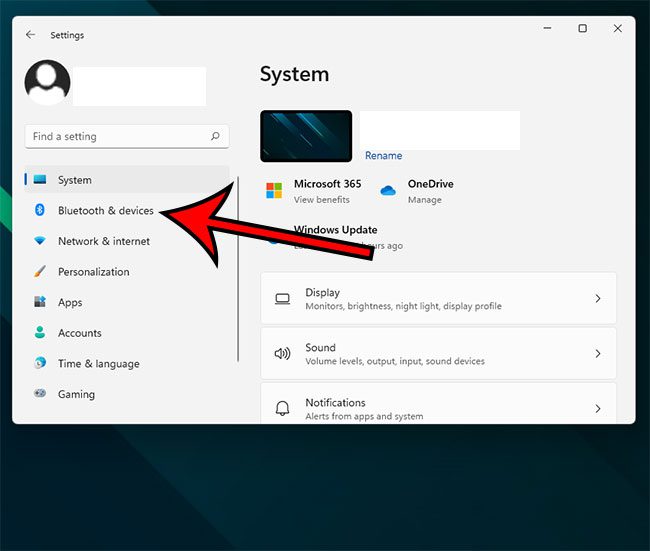
Step 1) On your windows computer, click on the ‘Start’ option from the bottom of your screen. From there, click on the ‘Settings’ option and then ‘Bluetooth and devices.’
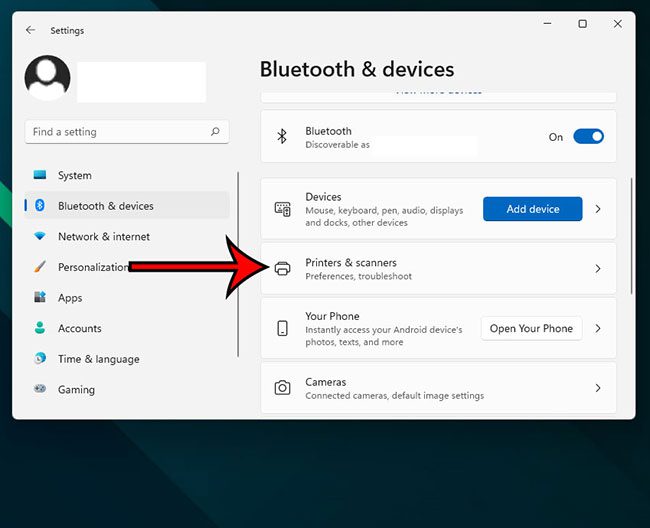
Step 2) Now select the option called ‘Printers & Scanners’.
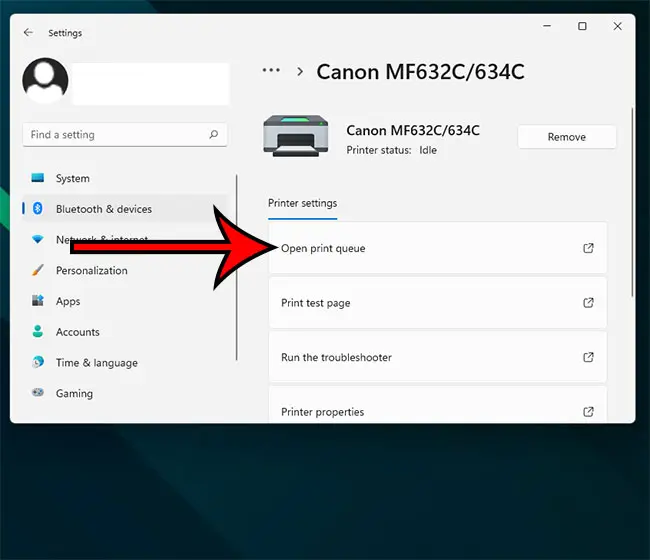
Step 3) Select your printer and choose the ‘Open print queue’ option.
Step 4) A new page will appear, and you need to look for the ‘Printer’ tab on the toolbar. Click on it, and a drop-down menu will arrive. Do you see any ‘Use Printer Offline’ option there? Check out if there’s a tick beside this option. Click on it to remove the tick mark and get your printer online.
<img loading=“lazy” src=“https://www.solveyourtech.com/wp-content/uploads/2022/02/how-to-get-printer-online-windows-10-4.jpg" onerror=“this.onerror=null;this.src=‘https://blogger.googleusercontent.com/img/a/AVvXsEhe7F7TRXHtjiKvHb5vS7DmnxvpHiDyoYyYvm1nHB3Qp2_w3BnM6A2eq4v7FYxCC9bfZt3a9vIMtAYEKUiaDQbHMg-ViyGmRIj39MLp0bGFfgfYw1Dc9q_H-T0wiTm3l0Uq42dETrN9eC8aGJ9_IORZsxST1AcLR7np1koOfcc7tnHa4S8Mwz_xD9d0=s16000';" alt=“turn off the “use printer offline” option - 5”>
For additional coverage of this topic, you can read our printer offline Windows 7 guide.
Method Five – Use Printer Troubleshooter
If the status of your printer keeps coming online briefly and going offline again, you can use a printer troubleshooter to solve the problem and start printing again. In fact, Windows 10 features several troubleshooters to solve the printer offline issues automatically. Here’s how you can perform troubleshooting –
Step 1) Use the dedicated Windows key to open the ‘Start’ menu and go to your settings. You can also press Windows key + I to open the Settings app directly. Click on ‘Devices’ and then on ‘Printers & Scanners.’
Step 2) Click on the ‘Run the troubleshooter’ option from the right-pane. You can find it right beneath the ‘Related Settings’ option.
Step 3) Now, the troubleshooter will run several series of checks. It will also suggest to you some ways to solve the detected problems. It might ask you to set your current printer as a default printer or ask you to update your printer driver. Act accordingly to fix the problems.
Method Six – Clear Your Pending Print Jobs
It’s always preferable to perform one print job at once. When you continue printing for a long time and multiple unfinished print jobs are queued, it might cause printer offline errors. Follow the steps given below to remove the print queue –
Step 1) Open settings and choose ‘Devices.’ Then select ‘Printers & Scanners’ and click on your printer’s name.
Step 2) Now click on ‘Open queue’ to get the list of all the pending documents. Select the ‘ Printer ‘ option from the toolbar at the top and then click ‘Cancel All Documents.’ It should clear all the pending jobs.
Step 3) You can restart your printer and your computer to clear the remaining documents of the print queue.
Method Seven – Use Print Spooler Service
The print spooler service controls the interactions between your computer and printer. You can restart the service to get the printer online. Here’s how you can do it –
Step 1) Open your computer’s start menu, type ‘Services’, and press enter. You can also press Windows Key + R and search by typing ‘Service.msc.’
Step 2) Look for the ‘Print Spooler’ option and right-click on it. Then choose ‘Restart,’ and your offline printer will go online again.
Method Eight – Change Printer Properties
Step 1) Open the control panel of your printer and then go to ‘Devices and Printers.’ Right-click on your printer’s name and select ‘Printer Properties.’
Step 2) From there, click on the ‘Ports’ tab and then choose the printer’s IP address. Now select the option ‘Configure Port.’
Step 3) Check if there’s any tick next to the ‘SNMP Status Enable’ option. Click on it to uncheck the option and then choose ‘OK’ for saving the changes.
Method Nine – Use Printer Software
Many printer manufacturers own printer software to let your windows manage and troubleshoot the printer. You can go to the printer manufacturer’s website to install the software. Or, your printer manufacturer might have provided a CD containing the software.
To check whether the software is installed or not, go to settings and click on ‘Devices.’ Then select ‘Printers & Scanners’, choose your printer’s name, and then ‘Manage.’ If the software is installed, you’ll see the option ‘Open printer app.’
Click on it to open the software and look for troubleshooting options to bring the offline printer status back online.
Method Ten – Reinstall the Printer
If the printer offline message keeps appearing even after you have tried all our methods, you should try to remove the current printer and reinstall it or install a new printer. Here’s how you can remove and reinstall it –
Step 1) Open your computer’s settings and choose ‘Devices.’ From the menu bar, select ‘Printers & Scanners’ and then your printer’s name.
Step 2) Click on ‘Remove Device’ and select ‘Yes’ to remove the current printer.
Step 3) Now go for the option ‘Add printer or scanner.’ Follow the necessary steps to reinstall the printer.
Final Words
So, now you know how to get a printer online Windows 10. Before anything else, try our first three methods to solve the printer offline errors in your Windows 10 easily.
If none of our methods work for your computer, the problem might be hardware-related. In that case, you need to get your printers to a technician or change the printer drivers to solve the issues.
Matthew Burleigh has been writing tech tutorials since 2008. His writing has appeared on dozens of different websites and been read over 50 million times.
After receiving his Bachelor’s and Master’s degrees in Computer Science he spent several years working in IT management for small businesses. However, he now works full time writing content online and creating websites.
His main writing topics include iPhones, Microsoft Office, Google Apps, Android, and Photoshop, but he has also written about many other tech topics as well.
Read his full bio here.
Featured guides and deals

