Transferring music from an iPad to an iPhone is easier than you might think. You can use iCloud Music Library, iTunes, or third-party apps to make the switch. By following a few simple steps, your favorite tunes will be on your iPhone in no time.
How to Transfer Music from iPad to iPhone
In this tutorial, we’ll go over the steps needed to transfer your music collection from your iPad to your iPhone. Whether you use iCloud Music Library, iTunes, or another method, you’ll find all the details you need right here.
Step 1: Make Sure Both Devices are Using the Same Apple ID
Ensure that both your iPad and iPhone are signed in with the same Apple ID. This is crucial for syncing.
To check, go to Settings > [Your Name] on both devices. This ensures that all your purchases and data can be easily transferred.
Step 2: Enable iCloud Music Library on Both Devices
Turn on iCloud Music Library on both your iPad and iPhone. This feature lets you access your entire music library from any device.
Go to Settings > Music on each device, and toggle the iCloud Music Library switch to ON. Make sure your devices are connected to Wi-Fi to avoid cellular data charges.
Step 3: Sync Your Devices with Wi-Fi
Ensure both devices are connected to the same Wi-Fi network. This speeds up the syncing process.
A stable Wi-Fi connection ensures that your music transfers quickly and efficiently. It’s like having a superhighway for your data.
Step 4: Check Your Music Library on the iPhone
Once the sync is complete, open the Music app on your iPhone to see if your tracks have appeared.
If you don’t see your music immediately, be patient. Sometimes it takes a few moments for the sync to complete.
Step 5: Use iTunes for a Wired Transfer (Optional)
If you prefer, you can use iTunes to transfer music. Connect your devices to your computer and sync them manually.
Open iTunes, select your iPad, and go to the Music tab. Check the box for “Sync Music,” and then click “Apply.” Repeat this process for your iPhone.
After following these steps, your music should be available on your iPhone, ready for you to enjoy.
Tips for How to Transfer Music from iPad to iPhone
- Keep Devices Updated : Make sure both your iPad and iPhone have the latest iOS updates to avoid compatibility issues.
- Backup Your Music : Always keep a backup of your music library in case anything goes wrong during the transfer.
- Use Wi-Fi for Syncing : A stable Wi-Fi connection can make the transfer process faster and more reliable.
- Check Storage Space : Ensure that your iPhone has enough storage space to accommodate all your music.
- Consider Third-Party Apps : If you encounter issues, apps like AnyTrans can offer an alternative way to transfer music.
Why isn’t my music showing up on my iPhone?
It might take a few moments for the sync to complete. Make sure both devices are connected to Wi-Fi and signed in with the same Apple ID.
Can I transfer music purchased outside of iTunes?
Yes, but you’ll need to use iTunes or a third-party app to transfer those files manually.
Do I need an Apple Music subscription to use iCloud Music Library?
No, you can use iCloud Music Library without an Apple Music subscription, although it does offer additional features.
What if I don’t have enough storage on my iPhone?
You’ll need to free up some space or consider upgrading your storage plan. Check Settings > General > iPhone Storage to manage your storage.
Can I use Bluetooth to transfer music?
No, Bluetooth is not capable of transferring large music files efficiently. Stick to Wi-Fi or a wired connection.
Summary
- Use the same Apple ID on both devices.
- Enable iCloud Music Library.
- Sync over Wi-Fi.
- Check your iPhone Music app.
- Optionally, use iTunes for a wired transfer.
Conclusion
Transferring music from your iPad to your iPhone might seem like a daunting task, but it’s really straightforward when you break it down into manageable steps. Whether you’re using iCloud Music Library for a wireless sync or opting for the wired reliability of iTunes, each method has its own set of advantages. Remember to keep both devices updated and ensure you have adequate storage space to make the transition as smooth as possible.
It’s also worth considering third-party apps if you run into any hiccups. Tools like AnyTrans can offer a more user-friendly experience when other methods fail. Ultimately, the key is to stay patient and follow each step carefully.
Feel free to explore more options and find the one that works best for you. Happy listening!

Matthew Burleigh has been writing tech tutorials since 2008. His writing has appeared on dozens of different websites and been read over 50 million times.
After receiving his Bachelor’s and Master’s degrees in Computer Science he spent several years working in IT management for small businesses. However, he now works full time writing content online and creating websites.
His main writing topics include iPhones, Microsoft Office, Google Apps, Android, and Photoshop, but he has also written about many other tech topics as well.
Read his full bio here.
Featured guides and deals
Do you have a long list of songs in your iTunes library, and want to view them when you are not near your computer? This can be helpful if you want to create a playlist while you are traveling, or if you want to see if there are songs that you do not own and want to purchase. One simple way to do this is to print out a list of all of the songs that you have in iTunes.
You might have previously done this in an earlier version of iTunes, but are having trouble doing so in iTunes 11. Fortunately it is still possible, and you can follow the few short steps in our tutorial below and print a document with a list of songs.
How to Print a List of Your iTunes Library in iTunes 11 in Windows
- Open iTunes .
- Click the menu icon.
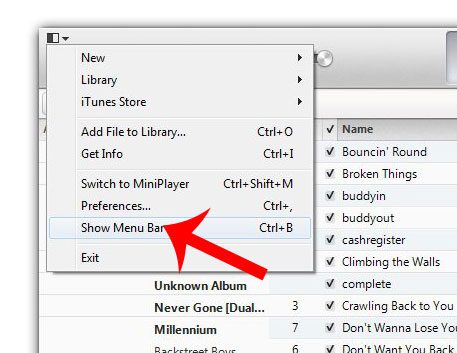
- Choose Show Menu Bar .
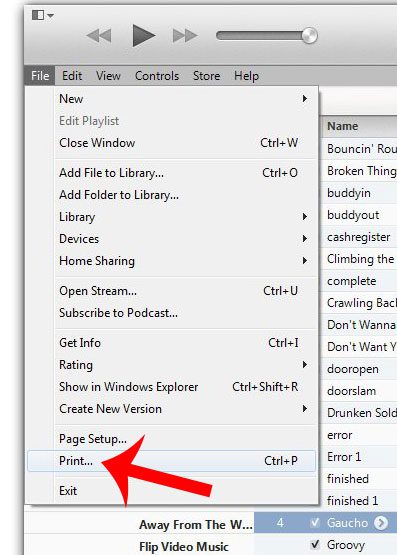
- Select File , then Print .
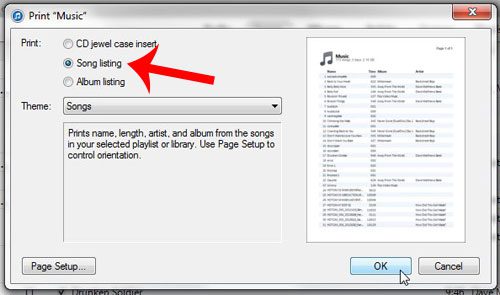
- Choose Song Listing , then OK .
- Click Print .
Our guide continues below with additional information on working with song and file lists in iTunes, including pictures of these steps.
Printing Your iTunes Library in Windows
The steps in this tutorial were written using iTunes 11 on a Windows computer . We will be printing a list of the songs in your library in the steps below. The steps may be slightly different if you are using a different version of iTunes, or if you are on a Mac.
Step 1: Launch iTunes, then navigate to the library or playlist that you want to print.
Step 2: Click the iTunes menu icon at the top-left corner of the window.
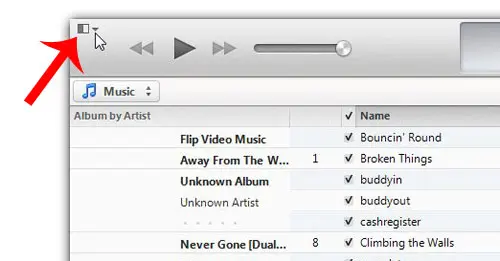
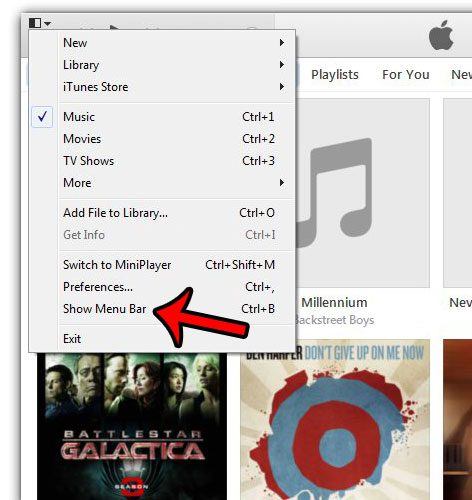
Step 3: Click the Show Menu Bar option.
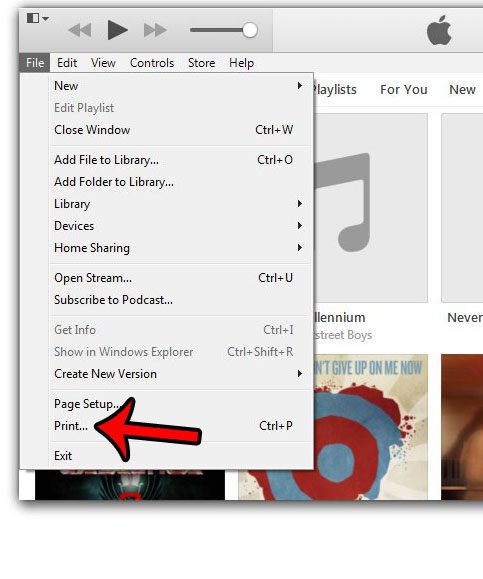
Step 4: Click the File tab at the top of the window, then click the Print option.
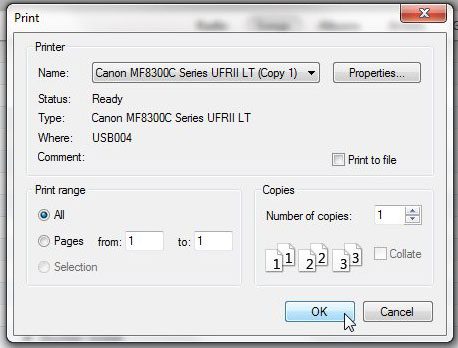
Step 5: Click the Song Listing option, then click the OK button.
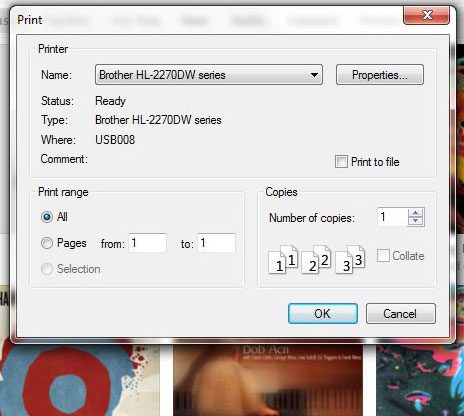
Step 6: Click the Print button to print the list.
Do you want to download purchased songs in iTunes, but you are not able to? You might need to authorize your computer with your Apple ID to enable the ability to download songs through the program.
How to Create a List of Your iTunes Music Library
If you have ever needed to share a list of the songs in your iTunes library, whether you were planning an event, or were making a playlist of CD for someone, then you may have been looking for a simple way to generate that list. You can accomplish this goal by printing your library as a document, which can save you the hassle of a series of screenshots, or manually writing or typing a list.
But the option for printing a list of your iTunes library is not immediately obvious, so you can follow our guide below to see how to use the built-in printing functionality of iTunes on your Windows computer.
Print Your iTunes Library as a List in Windows 7
The steps in this article were performed using iTunes version 12.3.1.23, on a computer running Windows 7. However, this process is similar for many other iTunes versions in Windows.
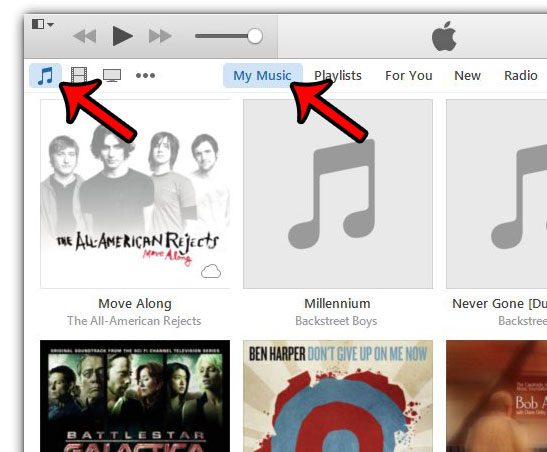
Step 1: Launch iTunes, then click the Music button, and select the My Music option to display your iTunes library. If you would prefer instead to create a list of movies or TV shows, then select that option instead.
Step 2: Click the iTunes Menu button at the top-left corner of the window, then click the Show Menu Bar option. You can also display the Menu Bar by pressing Ctrl + B on your keyboard.
Step 3: Click File , then click Print . Note that you can shortcut to the Print menu by pressing Ctrl + P on your keyboard instead.
Step 4: Select either the CD jewel case insert , Songs , or Albums option in the top-section, then click the Theme drop-down menu to specify how you want your selection to be listed. You can click the OK button at the bottom of the window when you have finished.
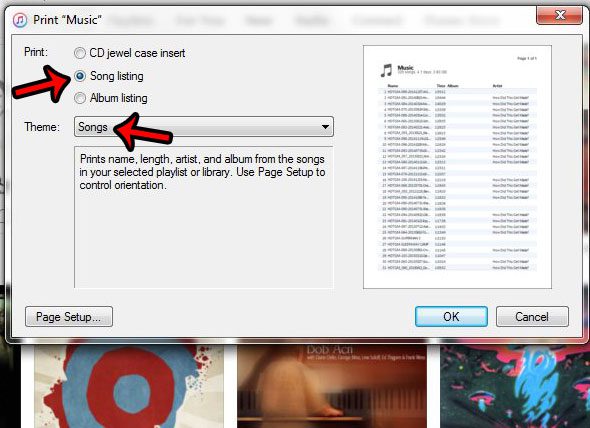
Step 5: Change any of the options that you wish to adjust on this window, then click the OK button to print the list of songs.
Did you add a gift card to your iTunes account, and you want to see how much is left on it? Learn how to check your Apple gift card balance from an iPhone.
Matthew Burleigh has been writing tech tutorials since 2008. His writing has appeared on dozens of different websites and been read over 50 million times.
After receiving his Bachelor’s and Master’s degrees in Computer Science he spent several years working in IT management for small businesses. However, he now works full time writing content online and creating websites.
His main writing topics include iPhones, Microsoft Office, Google Apps, Android, and Photoshop, but he has also written about many other tech topics as well.
Read his full bio here.
Featured guides and deals
